All Categories
Featured
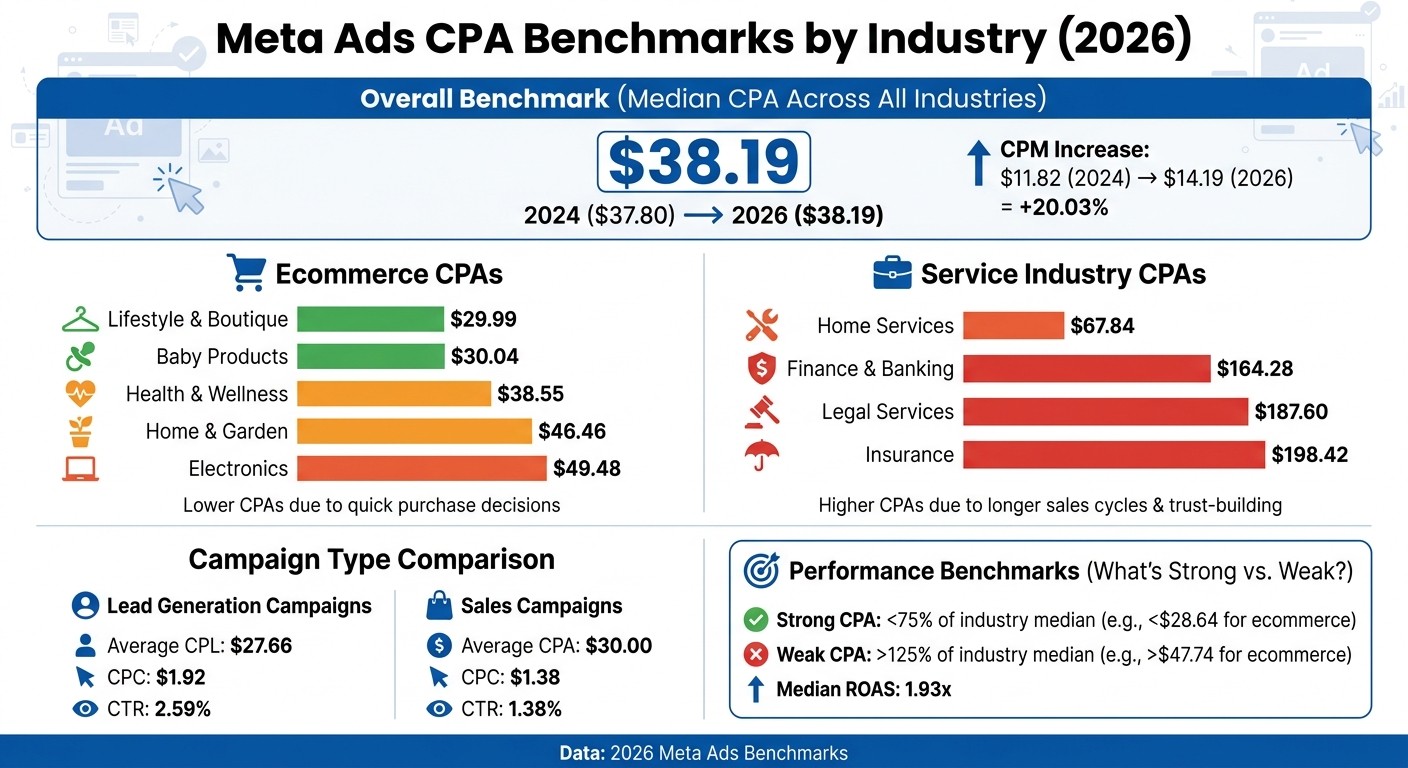

Transforming Agency Success Through Strategic Strategy
Table of Contents
Find out to leverage AI to develop customer-centric techniques that drive innovation and growth. How to prevent pitfalls that derail brands, organizations, and even careers.
[target1:anchor_exact1]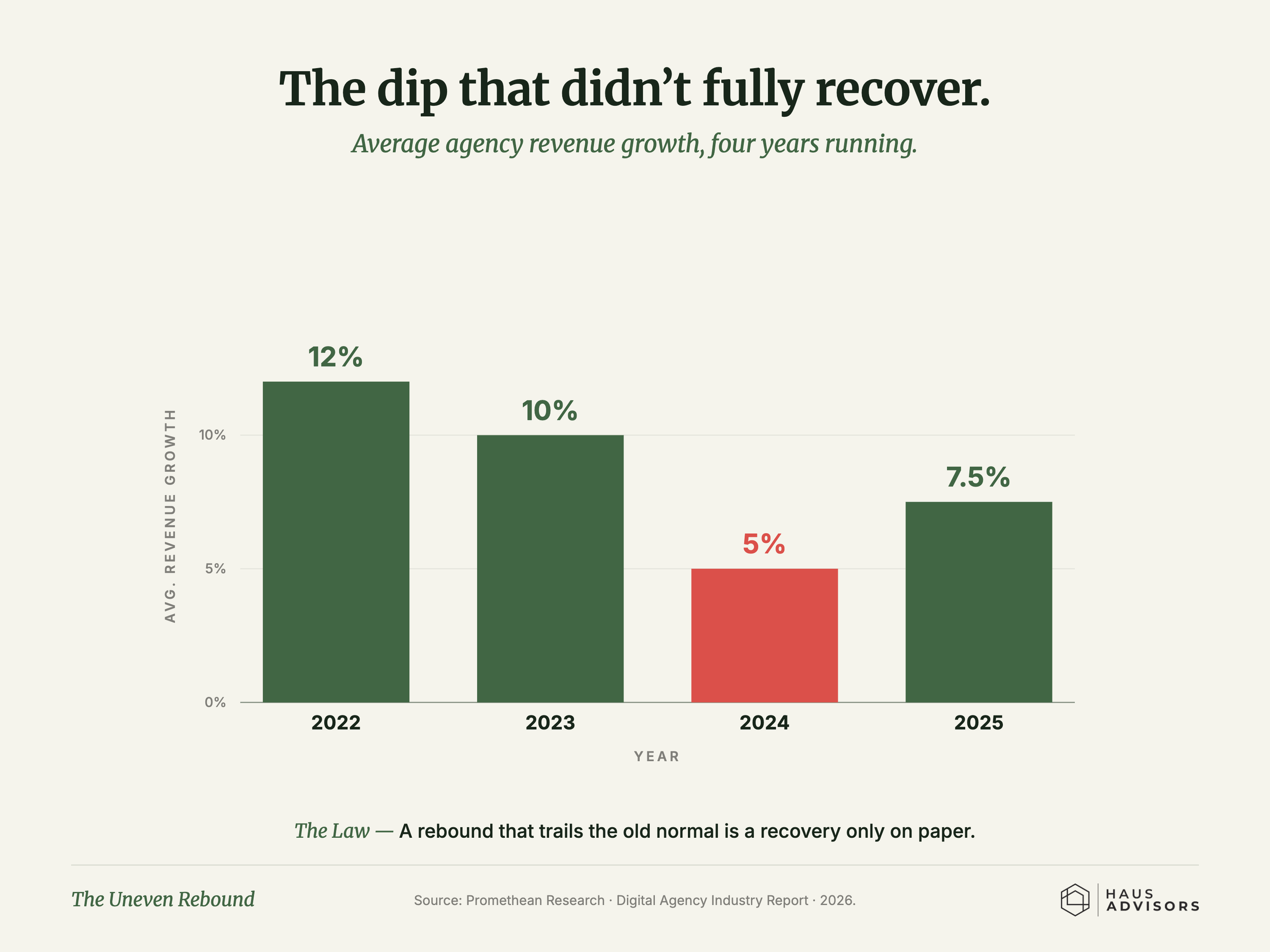
It is especially appropriate for: Marketing directors, VPs, CMOs, and company heads preparing to handle higher tactical management roles. General supervisors and entrepreneurs who manage big marketing spending plans and accountable for driving organization growth. Cross-functional leaders intending to place marketing as a collective force that drives development and competitive placing.
Subjects covered consist of: The progressing role of marketing executives as development catalysts within the company. Comprehending and browsing the pressures of the C-suite and marketing's influence on organization method. Worth proposal and product-market fit: determining target sections and browsing competitive markets. Structure and preserving strong brands through effective placing, storytelling, and consumer resonance.
The future of AI in driving marketing execution and boosting brand performance. Reliable stakeholder engagement and impactful communication. Budget plan management practices and marketing ROI and channel hierarchy.
Executive marketing is the ongoing practice of strategically positioning yourself as a recognized authority in your discipline/industry through enhanced digital presence, thought leadership, and authentic exposure. It changes profession security from depending on a single company to building portable expert equity that brings in opportunities regardless of work status. It's proactive and ongoing and you're not just engaged when you require a brand-new function.
Essential Role of Strategic Management in Agencies
Executive marketing is the communication of your identity. The majority of executives wait till they require a task to consider their professional outreach. While managing the tension of looming joblessness, they're attempting to build reliability, demonstrate know-how, and produce connections. That's not strategy. That's crisis management. Executive marketing turns this method completely.
In this manner chances find you and leads are always warm when you need them originating from your constant visibility and outreach. If you have actually been recruited, promoted, and/or sought after in some way your entire career, then this article is for you, particularly. The guidelines of profession advancement have fundamentally changed.
Here's what's happening: employers, boards, and investors now form their first impression of you online before they ever read your resume. AI-driven sourcing tools crawl LinkedIn profiles, individual sites, and published material to produce longlists before human decision-makers get included. The executives who comprehend this aren't waiting till they require a brand-new function to develop their presence.

You lose market awareness of your own value. Long-tenured executives who remain internal-facing often have no concept what their skills are worth in the broader market.
Your Proven Roadmap for Agency Expansion
The connections that could open doors for you forget you exist. When you finally connect after years of silence, it feels transactional, not authentic. Third, you become depending on employers who do not work for you. Only 10% of hires occur through executive recruiters, and those employers work for the companies that pay their costs, not for candidates.
When you have no noticeable presence, no current thought leadership, and an inactive network, companies presume you do not have options. Executive marketing isn't about ending up being an influencer or posting motivational quotes with sundown backgrounds.
This indicates preserving an enhanced, active LinkedIn existence that reflects your existing abilities, not just your employment history. It indicates contributing meaningful insights through occasional posts, articles, or comments that demonstrate how you believe about the difficulties in your market.
Future-Proofing Business Growth Through Strategic Vision
This is an ability set executives and senior professionals have to learn. It frequently isn't instinctive or natural. It indicates your resume and LinkedIn profile are tactical marketing tools, not career history documents. When someone looks you up, they need to right away understand why you're uniquely certified for senior-level roles in your space.
Clearness about your unique value. What's your superpower? What do you bring that others in your area don't? If you can't articulate this in a single clear sentence, hiring supervisors certainly can't figure it out from a generic resume that seem like everybody else's. Second, relationship-centered networking. According to JobVite, referred prospects are hired at a rate of 30%, compared to just 7% for applicants sourced through other approaches.

Latest Posts

Building Scalable Agency Operations in 2026
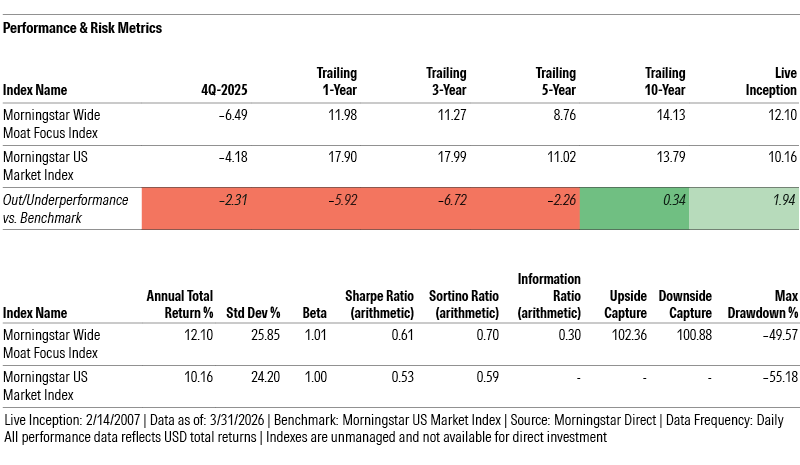
Optimizing Marketing ROI Through Verified Reports
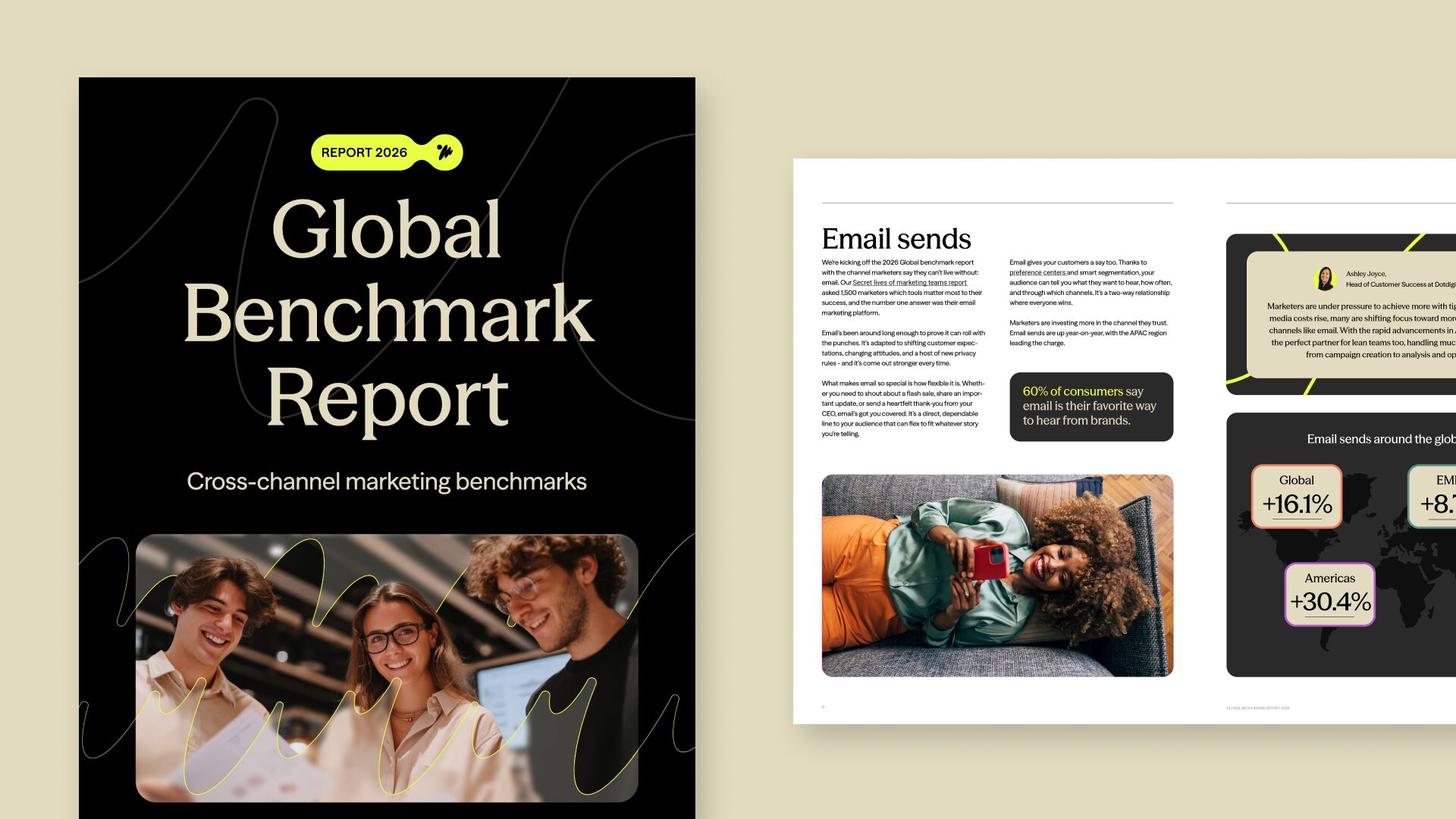
Why Detailed Performance Reports Drive Growth